New USGA Rules for 2026: What You Need to Know
The USGA has rolled out several rule changes for 2026 that affect everything from pace of play to equipment conformity. Here's the breakdown.
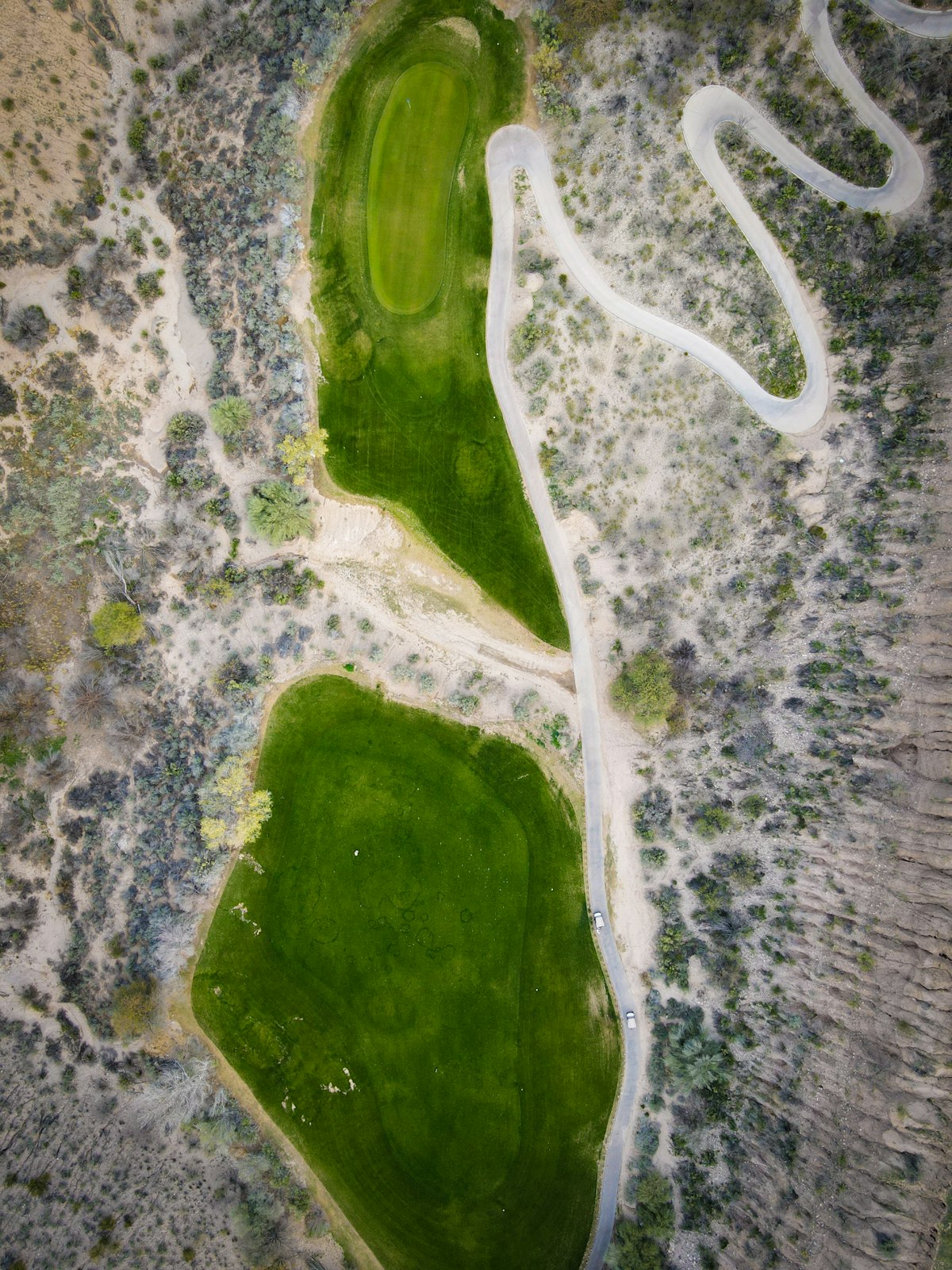
The USGA and R&A have been busy. The 2026 rule updates represent some of the most significant changes we’ve seen since the massive 2019 overhaul, and whether you play competitively or just hack it around on weekends, some of these will directly affect your game.
Let’s break down what’s new, what’s changed, and what you actually need to care about.
The Model Local Rule on Distance (It’s Here)
After years of debate, the USGA has officially implemented the Model Local Rule (MLR) that allows competitions to require a “reduced distance” golf ball. This doesn’t affect recreational play — you can still bomb your Pro V1 as far as physics allow on Saturday morning. But for elite competitions, tournament organizers now have the option to mandate balls that fly roughly 15% shorter.
Here’s the thing: this was inevitable. When guys are hitting 370-yard drives and classic courses become obsolete, something had to give. The USGA chose to address it at the ball level rather than altering club specifications, which is probably the least disruptive approach.
What it means for you: Absolutely nothing, unless you’re playing in elite amateur or professional events. Your weekend round is unaffected. But expect this to trickle into serious amateur competitions over the next few years.
Pace of Play Gets Teeth
This is the one I’m most excited about. The USGA has introduced stronger language around pace of play, and more importantly, has provided committees with clearer enforcement mechanisms.
The new guidelines include:
- Recommended shot time limits: 40 seconds for the first player to hit, 30 seconds for subsequent players. These aren’t revolutionary numbers, but having them codified gives marshals something to point to.
- Group timing protocols: Committees can now implement group timing with standardized penalties — one warning, then one-stroke penalties for subsequent infractions.
- Ready golf endorsement: The rules now explicitly endorse “ready golf” in stroke play, encouraging players to hit when ready rather than adhering strictly to “away plays first.”
Will this fix the four-and-a-half-hour round problem? Probably not entirely. But it’s a step in the right direction, and I’m here for anything that gets Chad to stop reading his putt from seven angles on a Tuesday afternoon skins game.
Equipment Conformity Updates
Several equipment rules have been tweaked:
Driver Testing Protocol
The USGA has updated its Characteristic Time (CT) testing methodology for driver faces. The new protocol accounts for face degradation over time, meaning that a driver that was conforming when new but has “hot spots” from wear could now technically be flagged.
In practice, this mainly affects competitive players who use the same driver for multiple seasons. For the average golfer, this is a non-issue — nobody is checking your driver at the Saturday morning shotgun.
Putter Alignment Aid Limits
New restrictions on putter alignment aids go into effect. Alignment lines and dots are still fine, but some of the more elaborate alignment systems — think multi-line targeting arrays that look like a HUD from a fighter jet — may not conform under the new specifications.
If your putter has a simple line or dot, you’re good. If it looks like it could guide a missile, maybe check the conforming list.
Green-Reading Material Restrictions
The USGA has further tightened restrictions on green-reading materials. The new rules limit the scale and detail of any green-reading aids used during competition. Those massive green-reading books with detailed topographical maps? They’re being phased out of competitive play.
This is a great change. Watching tour pros consult a book for five minutes before a 20-foot putt was getting ridiculous. Read the green with your eyes and your feet like we’ve been doing for centuries.
Embedded Ball Rule Clarification
The rules around embedded balls have been clarified. Under the updated language, a ball embedded in its own pitch-mark in the general area (through the green) gets free relief. This was already the case under the previous rules, but the new wording is clearer about what constitutes “embedded” — specifically, the ball must be in a depression created by its own impact.
The key clarification: a ball sitting in an old divot or natural depression is NOT embedded, even if it looks like it. The depression must have been created by that specific shot. Common sense, but you’d be surprised how many arguments this causes.
Penalty Areas: Minor Tweaks
Penalty areas (the zones formerly known as water hazards) have received minor rule tweaks:
- Committees can now more easily designate “no play zones” within penalty areas for environmental protection
- The language around provisional balls played toward penalty areas has been clarified
- Relief options remain the same: play it as it lies, go back to the previous spot, or take lateral relief
Nothing groundbreaking here, but the clarifications are welcome. Penalty area rules were one of the messier parts of the 2019 rewrite, and these tweaks clean things up.
The Amateur Status Rule Changes
Good news for content creators and social media golfers: the USGA has relaxed amateur status rules regarding sponsorship and promotion. Amateurs can now accept more in equipment and apparel support without jeopardizing their amateur status, and the rules around social media promotion have been modernized.
This is a sensible update that acknowledges the reality of modern golf. College golfers and elite amateurs shouldn’t have to choose between building a social media presence and maintaining their playing status.
What Hasn’t Changed (But Should)
A few things I wish the USGA had addressed:
Gimme putts in competition: I know, I know — “putt everything out” is a sacred cow. But in amateur competitions, allowing concessions inside 18 inches would speed up play enormously with virtually zero impact on scoring outcomes.
Rangefinder/slope use: The rules still prohibit slope-adjusted readings in most competitions. Given that every golfer with a smartphone can get slope data anyway, this feels like fighting a losing battle. Just allow it.
Ball searches: The three-minute ball search limit from 2019 was a great change. I’d argue for two minutes. If you can’t find it in two minutes, it’s gone. Drop and move on.
How to Stay Current
The full 2026 rules are available on the USGA website, and the R&A has published an excellent summary document for casual players. I’d also recommend the USGA’s official rules app, which has been updated with all 2026 changes and includes an excellent search function.
For competitive players, take 20 minutes to read through the major changes. For weekend warriors, the short version: play ready golf, don’t take forever, and your equipment is probably fine.
The Bottom Line
The 2026 rule changes are mostly positive. The pace of play initiatives are overdue, the equipment conformity updates are reasonable, and the amateur status modernization makes sense. The Model Local Rule on distance is the most significant long-term change, even though it won’t affect most of us directly.
Golf’s rules will always be complex — that’s the nature of a game played across wildly different terrain and conditions. But the USGA seems to be moving in the right direction: simplifying where possible, enforcing pace of play, and adapting to the modern game.
Now if they could just do something about the guy who takes three practice swings before every chip shot, we’d really be getting somewhere.
Weekly Golf Newsletter
Equipment reviews, tips to lower your scores, and exclusive deals delivered every Tuesday.
No spam. Unsubscribe anytime. 100% free.
Related Articles